
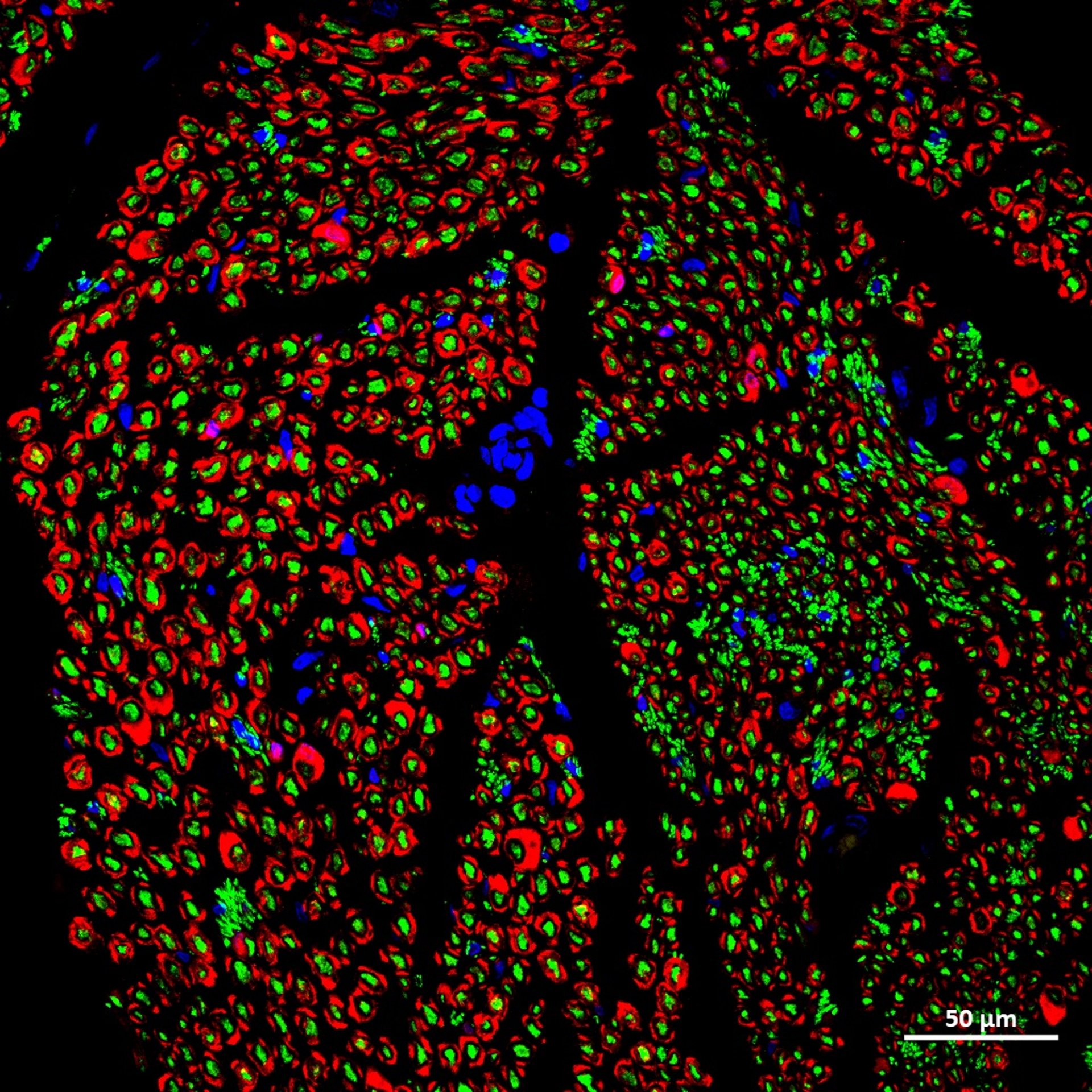
Science and technology for Healthy Life Extension
Pioneering advanced therapies with cutting-edge bioengineering, biofabrication and computational technologies.
Our Mission is to Develop Advanced Therapies for Healthy Life Extension
The BAT Institute (Bioengineering and Advanced Therapies Institute) is a non-profit initiative dedicated to pioneering advanced therapies through cutting-edge bioengineering, biofabrication, and computational technologies. Our areas of focus are:
Innovation in Bioengineering and Advanced Therapies: We drive scientific and technological advancements in regenerative medicine, biofabrication, and tissue engineering.
Education & Public Engagement: We promote awareness and education on the impact of bioengineering and advanced therapies, empowering society with knowledge about the future of healthcare.
Collaborative Research Network: We act as a hub connecting researchers, institutions, and industry leaders to foster innovation and accelerate breakthroughs in the field.
At BAT Institute, we believe that by integrating bioengineering and advanced therapies, we can shape a future where people live longer and healthier lives.
Our Research Lines
A) Innovative biofabrication strategies
We are developing innovative biofabrication strategies that integrate advanced bioprinting techniques with mechanobiological stimulation via bioreactors. By combining these approaches, our team aims to recreate the native cellular microenvironment, thus enhancing the performance and functionality of engineered tissues.
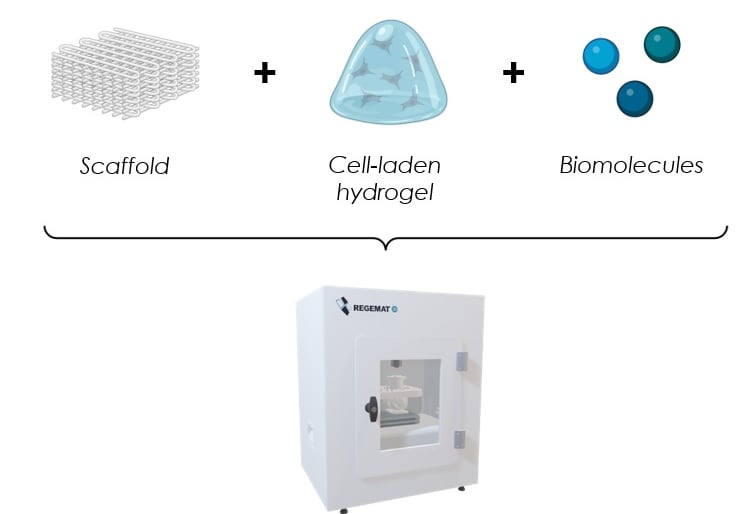
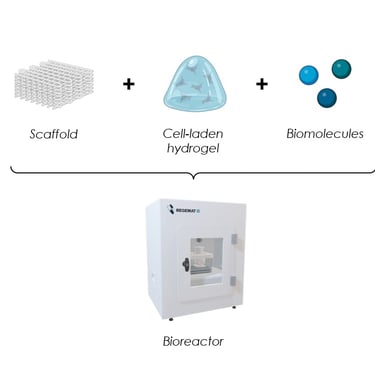
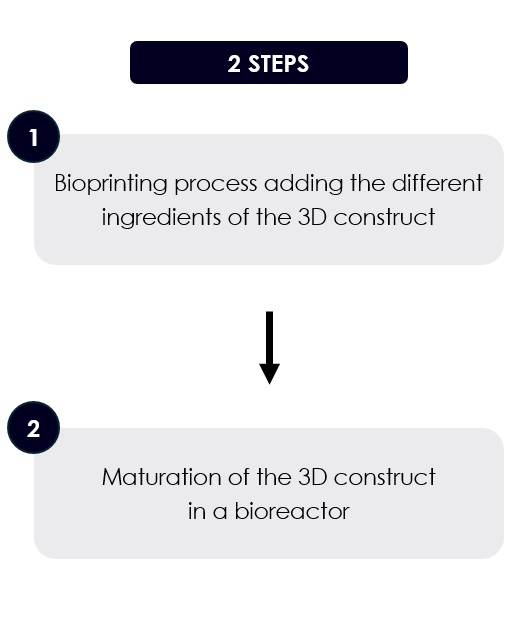
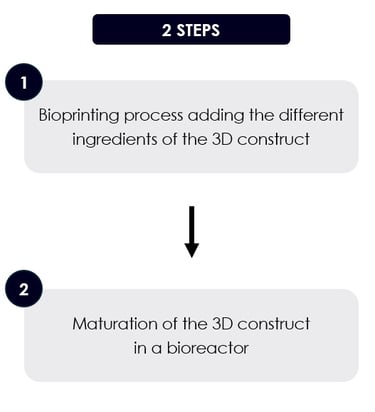
Additionally, The BAT Institute is pioneering the development of novel biomaterials specifically designed for tissue engineering applications.
B) Novel biomaterials
Our work extends to the utilization of computational techniques, which are employed to predict outcomes and analyze complex biological processes. This multifaceted approach ultimately seeks to advance the creation of functional living tissues, offering promising solutions for regenerative medicine and biomedical engineering challenges.
C) Computational techniques
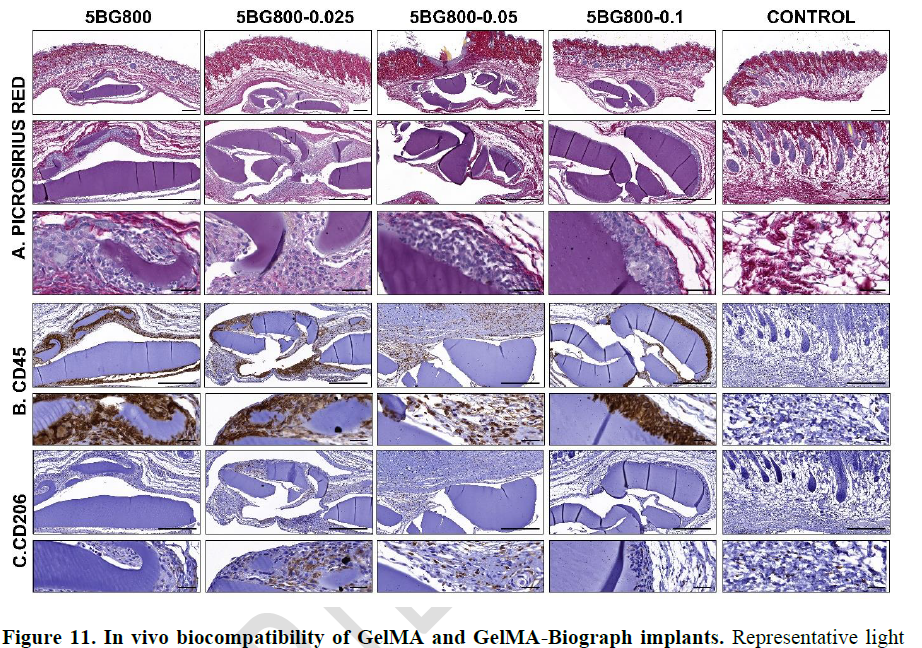
Lavin-López MP, García-García OD, de Godoi FC,…, Baena JM , Carriel V , Campillo N. Development and characterization of graphene derivative-GelMA hybrid bioinks for the generation of bioartificial tissue substitutes via 3D bioprinting. Int J Bioprint. 2025. https://doi.org/10.36922/ijb.7888
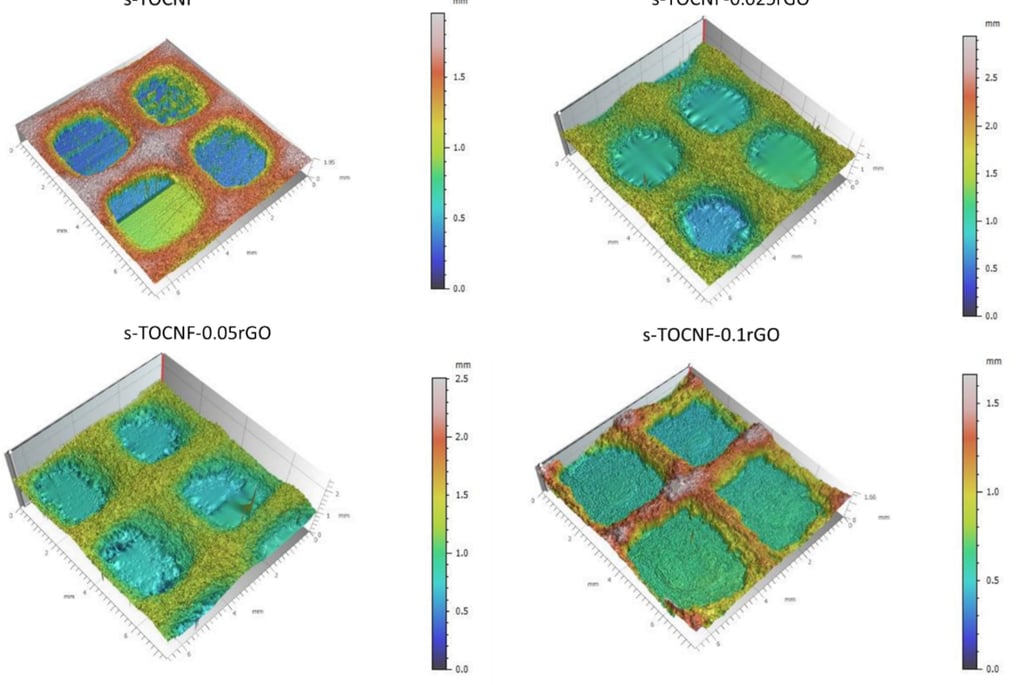
Usala, E., Gonzalez, Z., Campillo, N., Baena, J., Rincón, E., Ferrari, B., Rodríguez, A., & Espinosa, E. (2026). Development of 3D printable conductive cellulose-based hydrogel with incorporation of rGO for neural tissue engineering. Journal of Colloid and Interface Science, 703(Part 2), 139285. https://doi.org/10.1016/j.jcis.2025.139285